


Modular Home vs. Site-Built Home: Why Modular Construction Can Be a More Practical Investment
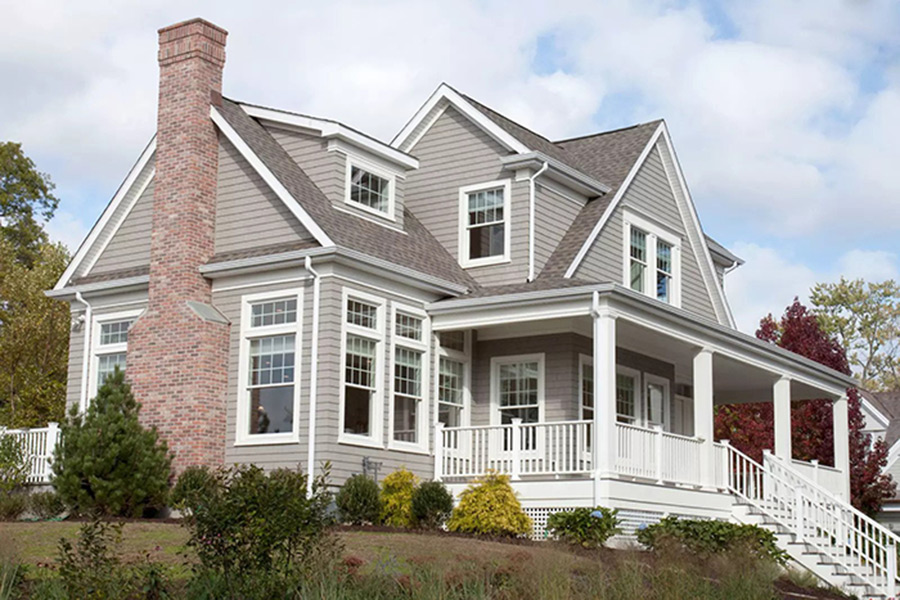
Choosing how to build a new home involves more than comparing floor plans and exterior designs. Homebuyers must also consider construction costs, project timelines, site requirements, and the overall experience of bringing a home from concept to completion. Two common options are modular homes and traditional site-built homes, but their construction methods can create meaningful differences in the overall investment.
For many buyers, modular homes offer a practical alternative to conventional construction. With much of the building process completed in a controlled factory environment, modular construction can provide a more organized approach to homebuilding while offering flexibility in design and functionality. Understanding the Difference Between Modular and Site-Built Homes
The primary difference between modular and site-built homes is where and how they are constructed.
A traditional site-built home is constructed almost entirely at the property. Materials are delivered to the site, and contractors complete the various building stages outdoors or within the developing structure.
Modular homes, on the other hand, are built in sections inside a factory. These sections are then transported to the prepared property, where they are placed on a permanent foundation and completed according to the home's design.
Both construction methods can produce durable, attractive homes. However, the factory-based process gives modular construction some practical advantages worth considering.
1. A More Organized Construction Process
One of the biggest advantages of modular homes is the ability to complete much of the construction in a controlled indoor environment.
Unlike traditional site-built construction, which is more exposed to outdoor weather conditions, factory construction allows many building activities to continue under consistent working conditions.
This can help reduce certain weather-related interruptions and make construction scheduling more predictable. Since site preparation can also take place while the home sections are being built, some stages of the project may overlap.
For homebuyers, this coordinated approach can make the overall building experience more manageable.
2. Greater Control Over Construction Costs
Budget planning is an important part of any homebuilding project. Traditional site-built homes may encounter changing material prices, labor costs, weather-related delays, and unexpected site conditions throughout construction.
Modular homes can offer a more structured starting point for budgeting because buyers typically select from established floor plans, features, and customization options.
This allows homeowners to review their choices and understand how different selections may affect the overall price before construction moves forward.
Although land preparation, transportation, foundation work, utility connections, permits, and other expenses still need to be considered, modular construction can provide a clearer framework for planning the investment.
3. Efficient Use of Construction Time
Time is another important factor when comparing modular and site-built homes.
Traditional construction generally requires building each stage at the property, with certain tasks depending on the completion of earlier work. Modular construction allows factory production and site preparation to happen simultaneously in many projects.
Once the property is ready and the home sections are completed, transportation and installation move the project into its next phase.
While actual timelines depend on design complexity, permitting, site conditions, weather, and scheduling, this overlapping process can help make modular construction more time-efficient.
4. Design Options That Support Everyday Living
Choosing a practical home also means finding a layout that works for your lifestyle.
Modern modular homes offer a variety of floor plans, room arrangements, and available features. Buyers can explore options that accommodate different household sizes, storage needs, and daily routines.
Whether you need additional bedrooms, an open-concept living area, or a functional kitchen, modular home designs can provide flexibility without requiring every aspect of the home to be designed from scratch.
This combination of established floor plans and available customization options can make the selection process more straightforward.
5. Quality Construction in a Controlled Environment
Another consideration is how the home is built.
Because modular homes are constructed indoors, materials and building components are less exposed to rain, wind, and other outdoor elements during much of the construction process.
Factory construction also follows established production procedures and applicable building codes. Each modular section must meet relevant structural and construction requirements before it can be transported and assembled at the property.
Proper foundation preparation, transportation, and on-site installation remain essential to the quality of the finished home.
Which Option Offers the More Practical Investment?
The right choice depends on the buyer's property, budget, design preferences, and construction priorities. However, modular homes can be an especially practical option for people who value an organized building process, more structured budget planning, and efficient construction scheduling.
Rather than coordinating every construction stage entirely at the property, buyers benefit from a process in which much of the home is built before arriving at the installation site.
For those looking for a balance of convenience, functionality, and construction efficiency, modular homes are certainly worth considering.
Explore a More Practical Way to Build With Tidewater Custom Modular Homes
Building a home is a major decision, and understanding your construction options can help you make the right investment. Modular homes offer a practical alternative to traditional site-built construction by combining factory-based production, customizable floor plans, and coordinated on-site installation.
Tidewater Custom Modular Homes helps customers explore modular home options and take the next steps toward building a home that suits their needs and preferences.
If you're comparing modular and site-built homes, contact Tidewater Custom Modular Homes to learn more about available designs and discover whether modular construction is the right approach for your next home.