


Modular Home Buying Checklist: Everything You Need to Know
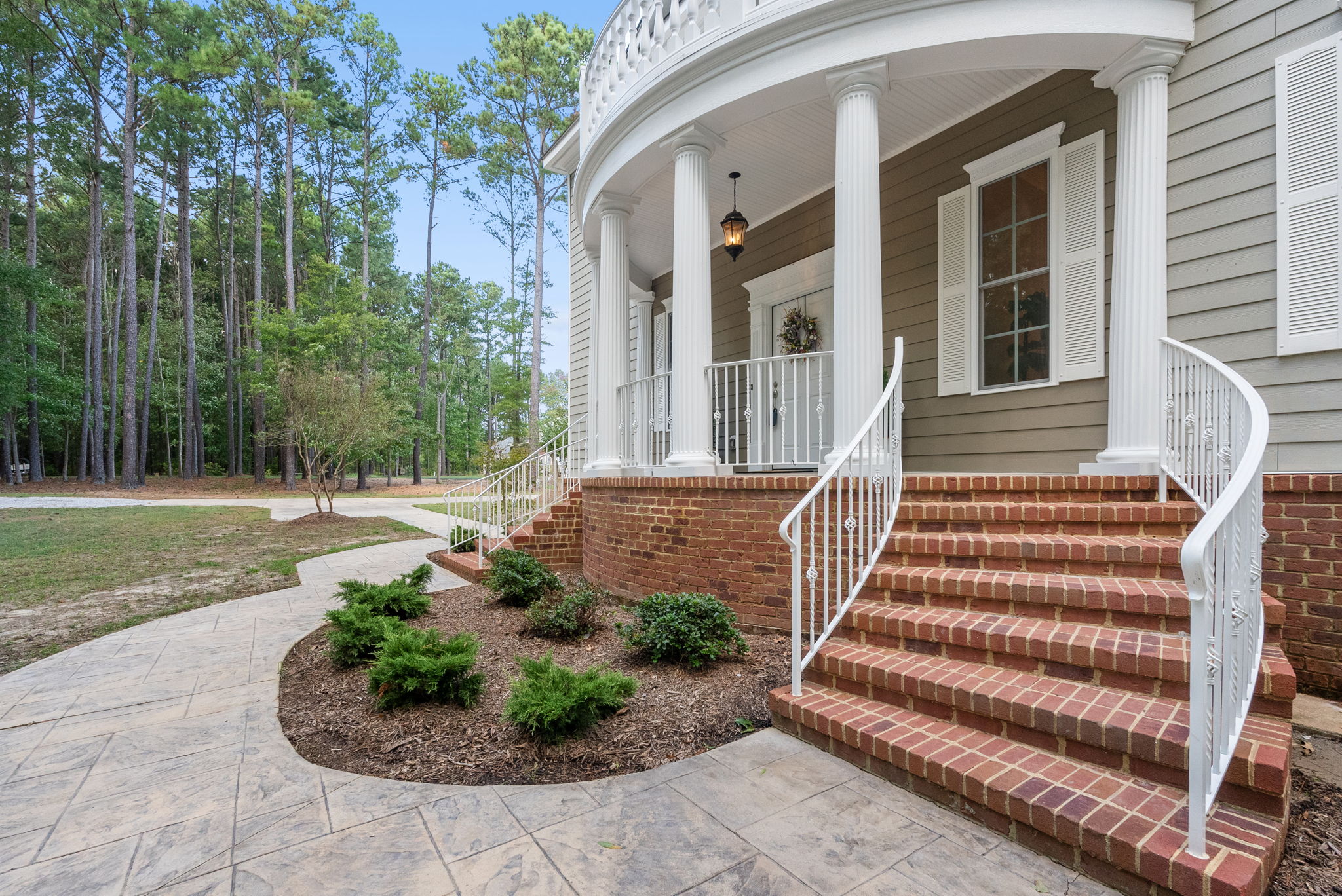
Purchasing a modular home is an exciting milestone, but it doesn’t follow the exact same path as traditional home construction. Instead of being built entirely on-site, modular homes are primarily constructed in a controlled factory environment and then delivered and assembled on your property.
Because of that, thoughtful planning early in the process is essential.
Modular Home Buying Checklist
- Set a realistic total budget (not just the home price)
- Account for site prep, permits, delivery, and utility hookups
- Purchase or confirm your land before finalizing your home design
- Verify zoning laws and building regulations in Morgantown, WV
- Decide on floor plan, layout, and customization features
- Confirm foundation type required for your site
- Understand delivery logistics and installation scheduling
- Plan access to utilities like water, sewer, and electricity
- Review warranty coverage and ongoing support options
- Partner with an experienced modular home builder
Key Things to Understand Before You Begin
Building a modular home involves more than picking a design—it requires coordinating land, approvals, construction, and installation into one streamlined process.
One area many buyers underestimate is the true total cost of the project. Beyond the home itself, expenses such as grading the land, preparing the foundation, securing permits, and connecting utilities can significantly affect your overall budget. Factoring these in early helps keep the process smooth and predictable.
Another important step is ensuring your property is suitable for modular construction. Local zoning requirements and land conditions can vary, and some sites may need additional preparation before installation can begin.
Once your land and budget are in place, the fun part begins—selecting your home design and personalization options. Today’s modular homes offer impressive flexibility, allowing you to adjust layouts, interior finishes, and even structural elements depending on your lifestyle needs.
Working with a knowledgeable builder like Tidewater Custom Modular Homes helps simplify the more technical parts of the process. This includes coordinating foundation requirements, managing transport logistics, and ensuring installation is completed efficiently and correctly.
Finally, long-term planning is just as important as the build itself. Reviewing warranties, maintenance expectations, and utility planning ensures your home remains efficient, comfortable, and well-supported well into the future.
Contact Tidewater Custom Modular Homes
If you’re considering a modular home in Virginia, or just beginning to explore your options, our team is ready to guide you through every step of the journey—from initial planning to final installation.