


How to Design a Modular Home for Entertaining
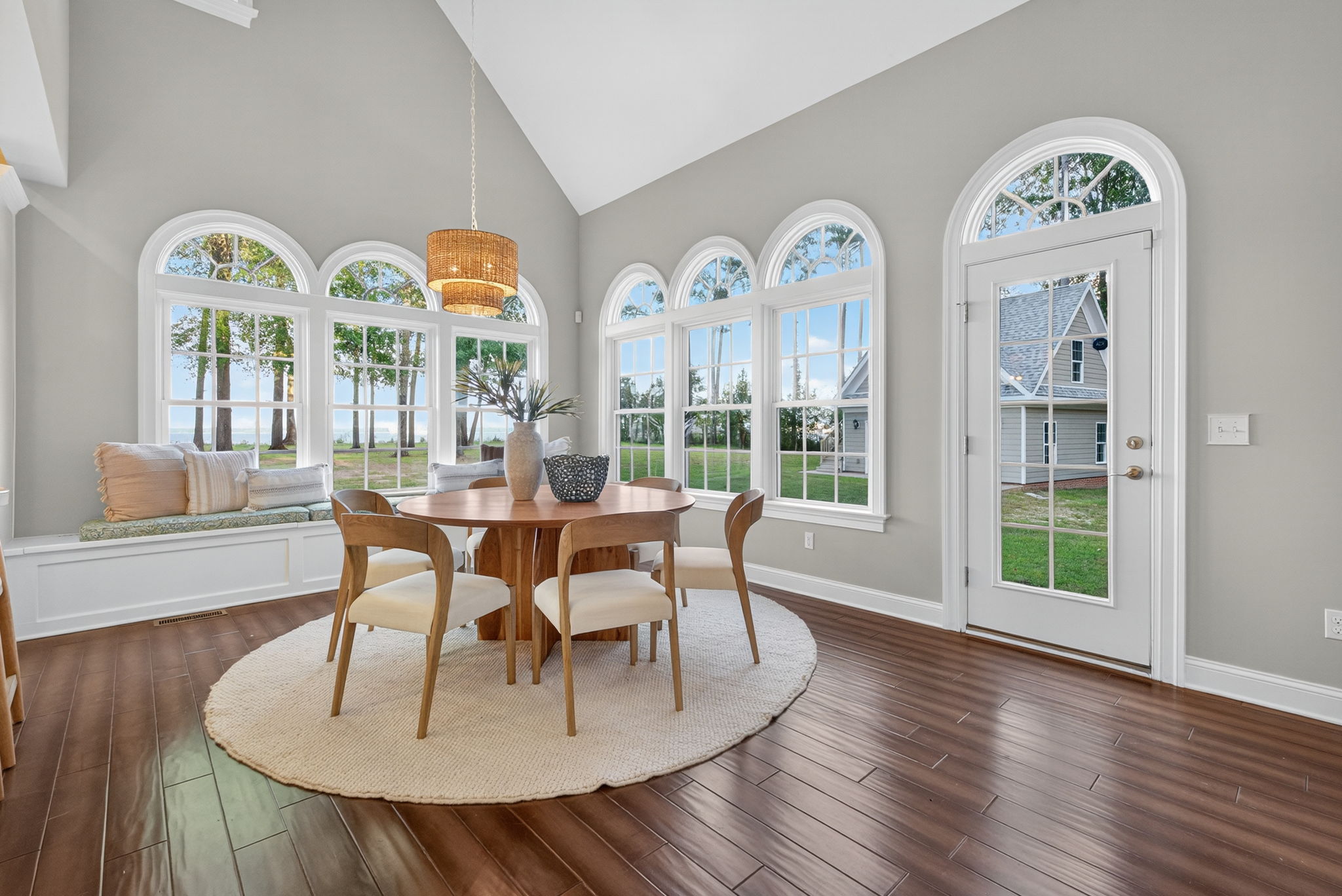
A home designed for entertaining needs more than enough seating. The layout should make it comfortable for people to gather, move between rooms, enjoy meals, and spend time together without making everyday living feel crowded.
One of the advantages of choosing a custom modular home is the ability to consider how you plan to use the home before the floor plan is finalized. Whether you frequently host family gatherings, weekend dinners, holiday celebrations, or casual get-togethers with friends, thoughtful design choices can make your home more welcoming and functional.
Start With How You Like to Entertain
Before choosing a floor plan, think about the types of gatherings you typically host. A family that regularly hosts large holiday meals may have different needs than homeowners who prefer casual gatherings around the kitchen or outdoor living areas.
Consider how many people you usually entertain, which rooms they use, and whether your gatherings involve cooking, dining, watching television, or spending time outdoors. These details can help guide decisions about room sizes, traffic flow, storage, and the relationship between indoor and outdoor spaces.
Create an Open and Connected Main Living Area
An open layout can make it easier for guests to interact while moving between the kitchen, dining area, and living room. Instead of separating these spaces with unnecessary walls, a thoughtfully planned layout can create a more connected gathering area.
This does not mean every room needs to be completely open. Strategic separation can still provide privacy and define different areas of the home while maintaining a comfortable flow between the spaces where guests are most likely to gather.
Make the Kitchen Part of the Gathering Space
The kitchen often becomes a natural gathering point during parties and family events. If entertaining is an important part of your lifestyle, consider how the kitchen will connect with nearby living and dining areas.
A spacious island can provide additional preparation space while giving guests a place to sit or gather without getting in the way of meal preparation. Adequate cabinetry and pantry storage can also help keep serving supplies, cookware, and everyday items organized.
When designing a custom modular home, these features can be considered as part of the overall floor plan rather than added as an afterthought.
Plan Comfortable Dining Space
A dining area should accommodate the number of people you expect to host without making the room difficult to use on a daily basis.
Consider the size and placement of your dining table, available walking space, and how the dining area connects to the kitchen and other gathering spaces. If you frequently host larger groups, you may also want to consider flexible furniture arrangements that can accommodate additional guests when needed.
Think About Traffic Flow
A beautiful entertaining space can become frustrating if guests have to navigate around furniture or walk through the middle of conversations to reach another part of the house.
During the design process, consider how people will move between the entryway, kitchen, dining area, living room, bathrooms, and outdoor spaces. A well-planned floor plan can help reduce unnecessary traffic through areas where guests are sitting or eating.
Include Convenient Guest Spaces
When designing a home for entertaining, remember the smaller details that can make gatherings easier. A conveniently located powder room, accessible coat storage, and adequate entry space can all be useful when hosting guests.
Depending on the household's needs, a guest bedroom or flexible room can also provide additional options for overnight visitors.
Connect Indoor and Outdoor Living Areas
In a coastal Virginia or North Carolina setting, outdoor areas can become an extension of the home's entertaining space. Consider how patios, porches, decks, or other outdoor areas will connect with the interior.
Large windows or appropriately positioned doors can help create a stronger visual and functional connection between indoor and outdoor spaces. The goal is to make the transition between these areas feel natural while giving your family additional options for gathering.
Plan for Storage
Entertaining often requires extra dishes, serving pieces, cookware, seating, decorations, and other supplies. Incorporating sufficient storage into your modular home design can help keep these items organized and accessible.
Consider pantry space, kitchen cabinetry, closets, built-in storage, and other areas where entertaining supplies can be kept without taking over the main living spaces.
Consider Your Future Needs
Your entertaining habits may change over time. A growing family, new hobbies, aging family members, or changing lifestyle can all affect how you use your home.
When working on a custom modular home, consider whether the floor plan can accommodate these changes. Flexible rooms, adaptable living spaces, and thoughtful storage can make the home useful for more than just your current needs.
Design Your Modular Home Around the Way You Live
Entertaining is easier when the home's layout supports the way you naturally use your space. From an inviting kitchen and connected living areas to practical storage and comfortable outdoor spaces, each design decision can contribute to a more functional home.
Tidewater Custom Modular Homes works with homeowners to create modular homes that reflect their individual needs, preferences, and lifestyles. A custom floor plan gives you the opportunity to think about how you want to live in your home before construction begins.
If you are considering a custom modular home in the Tidewater and surrounding Virginia or North Carolina areas, contact Tidewater Custom Modular Homes to discuss your ideas and explore the possibilities for your new home.